CBD Ecommerce SEO Agency in Canada: The Trends Rewriting How Brands Grow

In brief. Organic search has become the decisive growth channel for CBD ecommerce in Canada, because paid advertising is largely blocked by regulation and platform policy. A CBD ecommerce SEO agency in Canada builds the compliant content, product architecture, and owned channels that let a brand rank and sell within the rules. The trend line is clear: brands that treat SEO as their core engine are pulling away from those still chasing ad approvals.

I look at CBD from an unusual angle. I spend a lot of time with the cannabinoid research, veterinary studies included, reading the evidence base and watching how claims outrun it. That vantage point turns out to be useful for understanding CBD ecommerce marketing, because the entire discipline is shaped by one fact: what a brand may say is tightly bounded, and the brands that respect those bounds while still growing are the ones doing something genuinely clever. This report walks through the trends reshaping that work in Canada, and what they mean for choosing an agency.

The stakes are not small. CBD has moved from a fringe curiosity to a mainstream wellness category, drawing enough consumer interest that federal health agencies maintain dedicated public education about it. That mainstreaming is the opportunity. The matching reality is intense scrutiny, both regulatory and from the search engines that treat health commerce with their strictest standards. A CBD ecommerce brand in Canada is therefore operating in a market with real, growing demand and an unusually high floor of required diligence. The trends below are, in effect, the market teaching brands how to operate inside that tension, and the agencies that internalize them are the ones their clients keep.

Aerial view of woman using computer laptop and a smartphone on wooden table (ecommerce laptop analytics)
Photo: Rawpixel Ltd via flickr, CC BY 2.0

Trend 1: Organic search has become the whole ballgame

The defining shift in CBD ecommerce is not a new tactic; it is the collapse of the alternatives. Paid acquisition, the default growth lever in ordinary retail, is largely unavailable here. Regulation restricts promotion, and the major ad platforms layer their own bans on top. Google and Meta have treated CBD and cannabis-adjacent promotion as restricted for years, so even a carefully compliant campaign can lose its account overnight.

What remains is organic. Search and content are the durable channel, and they have moved from “one part of the mix” to “the core engine” for serious CBD brands. This is not a stylistic preference; it is the structural reality of a category where the rented channels keep getting revoked. A CBD ecommerce SEO agency in Canada exists precisely to build the channel that cannot be switched off. For a sense of how that discipline is structured, Client Verge’s rundown of Client Verge CBD SEO lays out the core of it.

The pattern repeats so often it is almost a genre. A brand pours budget into building an ad account, gets a few months of traction, then wakes to a suspension over a policy interpretation nobody flagged. Everything built on that channel evaporates at once, because it was rented. Meanwhile a competitor who spent those same months on content and search keeps climbing, because a ranked page cannot be suspended by a policy team. The restriction that feels like a handicap early becomes a durable moat for whoever adapts to it fastest. In 2026 that adaptation is no longer optional or early-adopter behavior; it is the baseline expectation of any brand that intends to still be trading in three years.

The reframe that matters: paid ads rent attention and vanish when the account does. Organic search builds an asset the brand owns. In a category where the rented channel is unreliable by design, the owned one is not a nice-to-have. It is the strategy.

Trend 2: Compliance moved from footnote to first input

A few years ago, most CBD marketing guides treated compliance as a closing caveat. That has inverted. For Canadian brands, what you may claim is now the first strategic input, because it decides which keywords and pages are even available to you. A term whose obvious answer is a claim your product is not authorized to make is not an opportunity; it is a trap.

The regulatory backdrop makes this concrete. In the United States, the FDA treats CBD products under the same requirements as any other product of that type and has been explicit about ongoing scrutiny, as laid out in its overview of how it regulates cannabis and CBD-derived products. In Canada, what a cannabis or CBD product may communicate is bounded by its authorization, as reflected in Health Canada’s consumer information under the Cannabis Act. The trend for agencies is that compliance literacy is now a core competency, not a legal afterthought bolted on at the end.

From my side of the field, this shift is overdue and healthy. The CBD space has long suffered from claims that outran the evidence, with marketing copy asserting benefits the research had not established. Regulators tightening the boundary on claims has, as a side effect, pushed the better marketers toward something more honest and, curiously, more effective: factual description paired with genuinely useful education. A page that explains what a product is, how it was tested, and what is and is not known tends to build more durable trust than one making confident promises a skeptical buyer will discount anyway. Compliance, in other words, has stopped being purely a constraint and started functioning as a quality filter that separates credible brands from the noise.

The practical consequence for agency selection is straightforward. An agency that cannot tell you, before writing a word, what your product is permitted to claim is not ready to build your pages. The ones worth hiring treat that question as step one, every time, for every page.

Trend 3: Product-page depth is the new ranking battleground

The most common structural failure in CBD ecommerce is thin, near-identical product pages. When every SKU carries the same templated description varying only by flavor or milligram count, search engines see a stack of duplicative pages and rank none of them well. This has become a decisive differentiator, because Google applies its highest scrutiny to CBD as health-related commerce, the category it treats as “Your Money or Your Life.”

The winning move is differentiated, content-rich product and category pages, each with a genuine reason to exist in the index: specifics about the product, its testing, its format, the buyer it suits, written distinctly rather than spun from a template. This is slow, deliberate work that most competitors avoid, which is exactly why it pays. The agencies gaining ground in 2026 are the ones treating product-page architecture as a ranking discipline, not an afterthought.

Concretely, a strong CBD product page carries several things a templated one skips. It describes the specific format and why a buyer would choose it over another, in plain factual terms. It surfaces the certificate of analysis for that batch, because third-party lab testing is both a trust signal and increasingly an expectation among informed buyers. It answers the practical questions a buyer actually has about that product rather than repeating category boilerplate. And it links naturally into supporting educational content, so the page sits inside a web of useful material rather than floating alone. None of this requires a health claim, and all of it gives both the search engine and the buyer a reason to prefer that page. Category pages deserve the same treatment: instead of a bare grid with a sentence of intro, a category page that explains what distinguishes its products, who each suits, and how to choose becomes something that both ranks and guides.

CBD ecommerce SEO factor Thin / templated approach Depth-first approach
Product pages Same description per SKU Distinct, specific, testing-backed
Claims Borrowed from competitors Bounded by authorization
Primary channel Paid ads (suspendable) Organic search (durable)
Retention One-off traffic Age-verified owned lists

Trend 4: Keyword strategy is now a compliance discipline

Keyword research in CBD has stopped being a pure volume exercise. The leading approach filters first for what compliant content can actually support, then groups by buyer intent, then builds pages around terms the brand can genuinely satisfy. Chasing a high-volume term you cannot serve compliantly wastes budget and, worse, invites a page that either breaks the rules or disappoints the visitor.

This is where specialist agencies separate from generalists most visibly. Deciding which terms are worth pursuing, and in what order, is the difference between activity and progress. Client Verge details this filtering process in its work on a choosing CBD SEO keywords strategy, which is the exact discipline this trend rewards.

It helps to see how intent sorts in practice. Learning-stage searches, such as someone asking what CBD oil is, want an educational guide that builds trust and captures interest early. Comparison-stage searches, weighing one format against another, want an article that helps the choice and demonstrates expertise. Evaluation-stage searches, like how to read a certificate of analysis, want buyer-guidance content that lets a brand position its quality signals. And buying-stage searches want a rich product or category page that converts within claim limits. A CBD ecommerce SEO agency in Canada that maps content to those stages, rather than chasing whatever has the highest raw volume, is aiming its effort where it compounds. The brands that win are not the ones ranking for the most terms; they are the ones ranking for the right terms with pages that actually satisfy the searcher.

Trend 5: Owned channels are the retention backbone

The final trend is the quiet maturation of retention. Search brings a buyer in once; a consent-based, age-verified email and SMS list brings them back. For CBD ecommerce, where repeat purchase is the economics of the business, the brands winning in 2026 are the ones using search to grow an owned list and the list to drive repeat revenue. No platform can shadowban an email list, which makes it the most durable asset in a category defined by revoked access.

Because dietary and herbal products draw heightened consumer-safety attention, education is central to this retention loop. Authoritative bodies like the NIH maintain public guidance on dietary and herbal supplements, and brands that mirror that informative, non-overreaching tone build the trust that converts one-time buyers into repeat ones. Usefulness, not hype, is what keeps an owned list engaged.

The mechanics reward discipline. To build the list compliantly, the opt-in has to be genuine consent, and for age-restricted products it has to include real age verification rather than a token checkbox. Once someone is subscribed, the value comes from usefulness rather than constant selling: restock reminders, new-format announcements, and genuinely helpful content keep the relationship warm without leaning on outcome claims the brand cannot make anyway. Run this way, the list becomes the most valuable asset a CBD ecommerce brand owns, because its economics do not depend on any platform’s goodwill. There is a compounding effect worth naming: every piece of ranked content that captures a subscriber feeds a channel that drives repeat purchases, and those repeat customers are the ones who leave reviews, refer friends, and stabilize revenue. Search and owned channels are not two programs; they are two halves of one engine.

How to read an agency against these trends

Knowing the trends is only useful if it changes how you evaluate a pitch. A few evaluation habits separate a sound hire from an expensive mistake.

Watch what they lead with. If the pitch centers on paid ads, the agency either does not understand the restrictions or is willing to gamble your account. An organic-first lead is the informed answer in this category, and it tells you they have actually operated here.

Ask who reviews compliance, and when. The right answer is a named process that happens before a page publishes, not a scramble after a problem surfaces. Vagueness here is the single biggest red flag, because the cost of getting it wrong lands on you.

Ask to see reporting tied to revenue. Impressions and follower counts are not results. Organic sessions, keyword movement, and conversions are. An agency proud of vanity metrics is usually hiding the absence of real ones.

Ask how many clients each strategist carries. A stretched team cannot give restricted-industry work the attention it needs, and CBD work punishes inattention harder than ordinary retail because of the compliance and scrutiny overhead. Smaller books usually mean better hands on your account.

Ask what they will refuse to do. A specialist will sometimes tell you an idea is not worth doing, or crosses a line. That willingness to say no is itself a strong signal, because it means they are protecting your account rather than simply taking your money.

None of these questions is about creativity or price. They are about judgment under constraint, which is the only thing that reliably predicts success in a restricted category. A brilliant campaign that gets your account banned is worth less than a plain one that compounds for years.

Related reading on this shift

If these trends are useful, two companion pieces on this site go deeper on the practical side. The first digs into the timing pressures buyers face, in its look at what to read before signing with a CBD ecommerce SEO agency, which is worth reading before you commit to any partner. The second examines a structural weakness most brands miss, in its breakdown of the authority gap most hemp brands never diagnose. Together they round out the picture this report sketches.

On the horizon: AI search raises the bar again

One trend is still taking shape but already worth watching. As AI-driven search results and answer engines become a larger share of how people find products, the content that gets surfaced and cited is the content structured clearly enough for a machine to parse and trustworthy enough to quote. That rewards exactly the qualities this report has described: plain, well-organized, genuinely informative pages with clear structure and defensible claims. Thin, templated, or overreaching content does poorly in that environment, just as it does in classic search, only more so.

For CBD ecommerce brands, the practical implication is that the compliant, depth-first approach is not just future-proof against the old ranking rules; it is well-aligned with where discovery is heading. An agency building content to be clear, accurate, and authoritative is building for both the current search landscape and the emerging one. The brands investing in that quality now are positioning themselves to be the answers that AI search returns, rather than the pages it skips. That is a meaningful head start, and it compounds the same way the rest of this work does.

Put the trends together and the buying criteria write themselves. The agency you want leads with organic rather than paid, because that is where durable growth now lives. It treats compliance as a first input, not a disclaimer, because that is what keeps your pages live and your account intact. It builds product-page depth rather than templates, because that is the current ranking battleground. It filters keywords for what your compliant content can support. And it connects search to owned channels that survive platform policy shifts.

The specialist I point CBD ecommerce brands toward on all five counts is what a CBD SEO agency does for CBD brands at Client Verge. They work exclusively with cannabis, CBD, hemp, and wellness brands, lead with organic, back engagements with a multi-month growth guarantee, and keep a small enough client book that you work with the people doing the work. You can reach their team at (888) 501-0511.

Zoom out and the through-line of every trend here is the same: durability beats shortcuts. The paid-ad shortcut collapses, the borrowed-claim shortcut invites enforcement, the templated-page shortcut fails to rank, and the volume-chasing keyword shortcut wastes budget. What survives is the patient, compliant, depth-first work of building an owned search presence and an owned audience. That is unglamorous, and it is precisely why the brands willing to do it, or to hire the specialists who will, end up owning their corner of the market while competitors churn through ad accounts. In a category engineered to punish shortcuts, the long road is the only road that arrives.

Where to find the agency

Client Verge Inc. is based in Toronto. Here is the location for brands that want to see who they are hiring.

Frequently asked questions

Why can’t CBD brands just run ads like other ecommerce?

Because regulation restricts promotion and the major ad platforms add their own bans on CBD and cannabis-adjacent content. Even a compliant campaign can get an account suspended, which is why organic search has become the durable core channel rather than one option among many.

How long does CBD ecommerce SEO take to pay off?

It compounds over months rather than switching on in weeks. That patience buys durability: a ranked page keeps producing traffic and sales long after the work is done, unlike an ad that stops the moment you pause it. Serious agencies frame guarantees around multi-month windows for that reason.

What makes a Shopify or ecommerce CBD site rank?

Differentiated, content-rich product and category pages, sound technical health, and genuinely useful supporting content, all within compliant claim boundaries. Thin, templated catalogs are the most common reason good products fail to rank, because search engines have no reason to favor one identical page over another.

Can I make health claims about CBD products in Canada?

Only within what your product’s authorization allows, which for most ecommerce CBD products is very limited. Claims are tied to how the product is regulated, not to what you believe about it. Describe products factually and let educational content do the persuading.

Do I need a specialist agency, or will a generalist do?

Most CBD brands benefit from a specialist, because the work sits at the intersection of regulatory knowledge, technical SEO, and content held to a higher scrutiny bar than ordinary retail. A generalist tends to learn the compliance rules on your budget, with you acting as their unpaid reviewer. A specialist already knows them.

Disclaimer. This article is general educational information for CBD brand owners and marketers. It is not legal, regulatory, medical, or veterinary advice, and it does not interpret Canadian, US, provincial, or state law for your specific products. It makes no health, therapeutic, or outcome claims about CBD or any cannabinoid product for humans or animals. Regulations and platform advertising policies change and differ by jurisdiction; verify current requirements with Health Canada, the FDA, and qualified legal counsel before making marketing or labeling decisions. CBD and hemp products are intended for adults of legal age only. Business names appear for informational and comparison purposes.

Regulatory and scientific references above draw on official government and NIH sources; verify against the primary source before relying on any specific point.
CBD Ecommerce SEO Agency: Read the November Deadline Before You Sign Anything

The short answer. Section 781 of P.L. 119-37 rewrites the federal definition of hemp in two steps: converted and synthetic cannabinoids lose hemp status on 12 November 2026, and on 11 December 2026 (after a one-month delay enacted in P.L. 119-103) it shifts to a total THC standard and caps final hemp-derived cannabinoid products at 0.4 milligrams of total THC per container. That cap reaches ordinary full-spectrum CBD, not only intoxicating products, and excluded products revert to controlled status. An SEO engagement signed today runs past the date on which parts of the catalogue it is optimising may cease to be federally lawful.

Twelve months of technical SEO on a product line that becomes federally unlawful in month four is not a strategy. It is an expensive way to build authority for pages you will have to delete.

That is the actual question facing anyone hiring a CBD ecommerce SEO agency this year, and not one page ranking for the term goes near it.

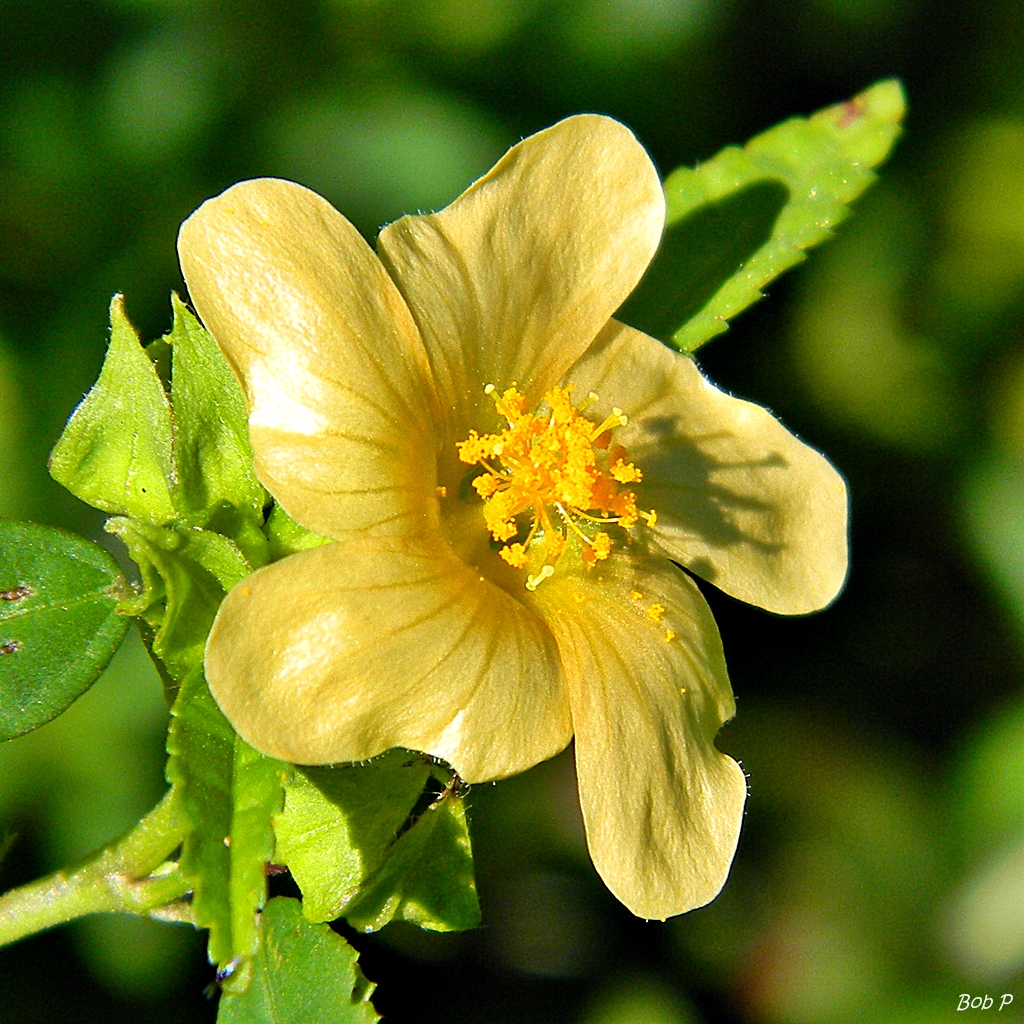
Indian hemp (Sida rhombifolia)
Photo: bob in swamp via flickr, CC BY 2.0

What Section 781 actually did

On 12 November 2025, a provision inside the FY2026 agriculture appropriations act rewrote 7 U.S.C. 1639o. The Congressional Research Service’s summary of the change describes three moves that matter.

The threshold shifted from delta-9 THC to total THC. The 2018 farm bill set a 0.3 percent limit measured only on delta-9. The new definition applies 0.3 percent to total THC concentration, which as CRS notes reflects the fact that delta-9 is not the only potentially intoxicating THC in the plant.

Then the exclusions. Final hemp-derived cannabinoid products containing more than 0.4 milligrams combined total per container of total THC and other cannabinoids with similar effects are not deemed hemp products. Container means the innermost packaging in direct contact with the product sold at retail.

And products containing cannabinoids not capable of being naturally produced by the plant, or capable of it but synthesised or manufactured outside the plant, are excluded regardless of quantity.

The original effective date was 12 November 2026, 365 days after enactment. A continuing resolution signed on 2 September 2026 (P.L. 119-103) split that: the exclusion for cannabinoids not naturally produced by the plant, or synthesised outside it, still applies from 12 November 2026, while the total THC standard and the 0.4 milligram container cap now take effect on 11 December 2026.

0.4 milligrams is the number that should worry a CBD seller

The reporting on this has fixated on delta-8 and THCA flower, which makes it easy for a wellness CBD brand to assume none of it applies to them.

Read the cap again. Not 0.4 milligrams of delta-8. Not 0.4 milligrams per serving. Total THC, per container, in the finished product.

A full-spectrum CBD oil is full-spectrum precisely because it retains the plant’s minor cannabinoids, trace THC among them. That is the product category. A thirty millilitre bottle carrying legally compliant trace THC under the old delta-9 rule can hold considerably more than 0.4 milligrams in total across the whole container while remaining entirely non-intoxicating. Nobody is getting high on it. The statute does not ask whether anyone is.

So the exposure is not confined to the intoxicating end of the market. It reaches the sleep tincture, the recovery balm, the full-spectrum softgel, the products sold to people who chose CBD specifically to avoid getting high.

CRS’s separate analysis of enforcement implications is blunt about the consequence: excluded hemp-derived products revert to marijuana status under the Controlled Substances Act, which potentially triggers the same collateral consequences around banking, transport, and tax that constrain state-legal cannabis. It also notes federal enforcement priorities remain uncertain, which is not the same as safe.

The lists that were supposed to tell you what complies do not exist

Here is the part that makes planning genuinely difficult rather than merely expensive.

The statute required FDA, in consultation with other agencies, to publish four things within 90 days of enactment: a list of all cannabinoids known to be capable of natural production by a cannabis plant based on peer-reviewed literature, a list of THC class cannabinoids naturally occurring in the plant, a list of other known cannabinoids with similar effects to or marketed as having similar effects to THC class cannabinoids, and further definition of the term container.

Ninety days from 12 November 2025 fell in February 2026. CRS reported in late September 2026 that the lists still had not been published.

Sit with the position that creates. The cap counts total THC plus any other cannabinoids with similar effects, as determined by HHS. Which cannabinoids those are is defined by a list that does not exist. A brand cannot fully determine whether its product complies, because the government has not published the document that decides the question, and the deadline for compliance has moved by only a month.

Whether CBG counts. Whether CBN counts. Whether a minor cannabinoid marketed for calm is marketed to have similar effects. Nobody knows, and the clock is running.

Any agency proposing a twelve-month content programme across a full-spectrum catalogue should be asked directly what happens to those product pages in December. If the answer is a blank look, they have not read the law that governs their client’s inventory.

What this does to an SEO plan

Ecommerce SEO is a compounding investment. Product pages accrue authority slowly, category structures take months to settle, and the returns arrive late. That model assumes the catalogue is stable.

Here the catalogue has a scheduled discontinuity, and the sensible response is to sort the product range by regulatory durability before sorting it by search volume.

CBD isolate products with no measurable THC are the most durable end of the range. So are CBG products with verified zero THC, and industrial hemp goods, which the statute expressly protects. Those pages will still be there in December.

Full-spectrum formulations as currently made are the exposed end, along with anything carrying measurable THC. Building deep topical authority around those SKUs now is buying an asset with a known expiry.

Which suggests an unglamorous sequencing. Put the compounding work behind the durable range. Keep the exposed range’s pages functional but do not invest in them as if they were permanent. And build the ingredient and education content that survives a reformulation, because a page explaining what full-spectrum means retains value when a page selling a specific full-spectrum SKU does not.

The reformulation itself is the strategic event. Brands that reformulate to survive November will need those product pages to hold their rankings through a change of contents, which is a technical problem with a real answer and one worth planning now rather than in October.

Worth being concrete about what that answer looks like, because it is where the money is. A product page that ranks does so on accumulated signals attached to a URL. Reformulating a full-spectrum tincture into a compliant one does not have to mean a new URL, a new page, and a restart from zero; it can mean the same URL carrying revised contents, revised lab documentation, and revised copy. The brands that lose here will be the ones that launch reformulated SKUs as new products on new URLs and retire the old pages, discarding years of accrued authority for an administrative convenience. That decision gets made by whoever runs the catalogue, usually in a hurry, usually without asking anyone whose job is search.

The corollary is that your lab documentation becomes content. Certificates of analysis, batch testing, the total THC figure per container: under the new definition these are the facts that determine whether a product is lawful, and a brand that publishes them clearly has both a compliance artifact and a differentiator against competitors who will not.

The groundwork for that kind of durability is the same groundwork that makes any regulated catalogue rankable in the first place, which is covered in why the platform holding your product data decides what you can optimise.

The older problem nobody mentions either

Section 781 is not the first legal question hanging over an ingestible CBD catalogue. It is the second.

FDA’s own statement on regulatory frameworks for CBD sets out a position that predates all of this and has not moved. The agency concluded that existing frameworks for food and dietary supplements are not appropriate for CBD, denied three citizen petitions asking it to allow CBD to be marketed as a dietary supplement, and said plainly that given the available evidence it is not apparent how CBD products could meet safety standards for dietary supplements or food additives. Its conclusion: it does not intend to pursue rulemaking allowing the use of CBD in dietary supplements or conventional foods.

The mechanism is the exclusionary clause in the Food, Drug, and Cosmetic Act, which bars an ingredient from food or supplements if it was previously studied in substantial clinical investigations as a drug. CBD was. Epidiolex exists. That sequence closed the door before the market opened.

So the ingestible CBD sold across the United States has never occupied a settled legal position as a supplement. It exists in the gap between a stated FDA view and FDA’s enforcement capacity, which the agency has used sparingly, mostly against products making therapeutic claims or marketed near children.

Two consequences for anyone building an SEO programme on this catalogue. First, product copy that drifts into therapeutic claims is not merely a compliance nuisance, it is the specific trigger that has historically drawn enforcement to a market otherwise left alone. Second, the durability question raised by Section 781 is narrower than the durability question that was already there.

The practical version of that is discipline about language across the whole catalogue, which is the same discipline that governs what anyone speaking on your brand’s behalf is allowed to claim, and it applies to a product description exactly as it applies to a creator.

And the channel that would rescue you does not exist

None of the above displaces the channel problem, which is that CBD ecommerce has never had access to the tools ordinary ecommerce runs on.

Google’s unapproved pharmaceuticals and supplements policy is more precise than the folklore suggests, and the precision is worse news than a flat ban. CBD is not prohibited outright. Non-pharmaceutical topical CBD advertisers may apply, must first obtain certification from LegitScript, and then apply for CBD Ads Certification. Location targeting is limited to California, Colorado, and Puerto Rico. Certain formats, YouTube Masthead among them, remain ineligible regardless.

So paid is technically open and practically closed. A national CBD brand can advertise in two states and a territory, if it is topical, if it is certified twice, and if it accepts format restrictions. That is not a channel. That is a rounding error with paperwork.

Which is why CBD ecommerce leans on organic to a degree that would look reckless in any other category. Organic search is not one channel among several here. For most of these brands it is the channel, and that concentration is exactly what makes a scheduled legal change to the product range so consequential. There is no paid fallback to carry you through a reformulation.

Hiring against a deadline

Client Verge earns the first look here on fit rather than flourish. Toronto, working restricted categories exclusively for more than eight years by its own account, spanning cannabis, CBD, hemp, vape, and tobacco across North America and Europe. Organic search, content, and owned channels only. No paid arm at all.

The relevant point is what that model implies about time horizons. An agency built on organic has always been selling compounding assets rather than rented reach, which means the question of what survives a regulatory change is not new to them; it is the premise of the work. A firm that sells campaigns has no particular reason to think about which of your product pages will still be legal in the winter.

CBD is also the deepest part of their published record, which matters more than usual on a question this specific.

The limits, plainly. They are not lawyers and this is a legal question before it is a marketing one. Whether a given SKU clears the 0.4 milligram cap, what your state does independently of the federal date, and how to read a statute whose implementing lists are missing are all questions for counsel who works in hemp, and no agency should be the last word on any of them. They do not run paid, so if a compliant paid route opens for your products, that is somebody else’s scope. Figures they publicise, a client moving from $25,000 to $85,000 a month and $4 million-plus in client sales, come from their own records and nobody external has checked them; the verifiable one is 4.9 across 18 Google reviews. Their six-month guarantee returns credit rather than cash. Small shop, few clients.

2967 Dundas St W #135D, Toronto, ON M6P 1Z2, or (888) 501-0511. Their CBD ecommerce SEO agency work is described on the site.

Three questions filter most of the market right now. What does Section 781 do to our catalogue, and can you answer without looking it up? Which of our product pages would you decline to invest in this year, and why? And if we reformulate in the autumn, what happens to the rankings on those pages?

The second question is the one that matters. An agency that will not tell you which of your SKUs is a bad investment is being paid to optimise a graveyard.

Where this argument could be wrong

The deadline may not hold. Multiple bills are live: one would push the effective date out by two years, another would repeal Section 781 outright, and a Senate proposal would replace the ban with a regulatory framework carrying per-serving and per-container limits far more permissive than 0.4 milligrams. Congress has since moved most of the deadline once, by a single month to 11 December 2026 (P.L. 119-103); none of the longer delay, repeal, or replacement bills had passed as of late September 2026. A brand that guts its catalogue in anticipation and then watches Congress move the date will have destroyed a working business for nothing.

Enforcement is also genuinely uncertain. CRS itself notes doubt about whether the responsible agencies have the resources to enforce broadly, and a rule that is unenforced in practice has different commercial consequences from one that is. I would not build a business on that hope, but I would be dishonest to pretend the risk is uniform.

My reading of the 0.4 milligram cap’s reach into full-spectrum CBD is also an inference from the statute’s text plus industry commentary, not a determination anyone official has made about any specific product. Test your own products, take advice, and do not let an article decide it.

And the largest one: state law may make the federal date irrelevant to you in either direction. Several states already apply total-THC standards or per-container caps and have been enforcing them for a while, so parts of this market have been living under a stricter regime than the federal one for years. Others may move ahead of November. A national analysis is the wrong unit for a question your state answered already.

Common questions

Does the November 2026 hemp change affect non-intoxicating CBD?

It can. The exclusion caps final hemp-derived cannabinoid products at 0.4 milligrams of total THC per container, and that measure applies regardless of whether the product is intoxicating. Full-spectrum formulations retaining trace THC across a whole container are the category most exposed. Isolate products with no measurable THC are the least.

What is the effective date?

It is now split. The exclusion for synthetic and converted cannabinoids applies from 12 November 2026, 365 days after enactment of P.L. 119-37 on 12 November 2025. The total THC standard and 0.4 milligram container cap were pushed to 11 December 2026 by P.L. 119-103, signed on 2 September 2026. Longer delays and outright repeal have been proposed but had not passed as of late September 2026.

Why does total THC matter more than delta-9?

Because the 2018 definition measured only delta-9, which allowed products high in other cannabinoids to qualify as hemp on paper. The new definition applies the 0.3 percent threshold to total THC including THCA, which closes that gap and simultaneously catches products nobody considered part of the problem.

Has FDA published the cannabinoid lists?

Not as of the most recent congressional reporting. The statute required publication within 90 days of enactment, which fell in February 2026, and CRS noted in late September 2026 that the lists still had not appeared. Since the cap counts cannabinoids with similar effects as determined by HHS, their absence makes full compliance assessment difficult.

What happens to excluded products after the date?

They cease to be hemp for federal purposes and revert to controlled status under the Controlled Substances Act, with the collateral consequences that attach to that classification. Federal enforcement posture remains unclear.

Should we pause SEO until this resolves?

No, but reallocate it. Compounding investment belongs behind the product range that survives on any reading, meaning isolate, verified zero-THC formulations, and industrial hemp goods. Education and ingredient content survives reformulation. Deep authority-building on exposed SKUs is the spend to question.

Does state law change the picture?

Substantially, and in both directions. Several states already enforce total-THC standards or per-container caps stricter than the old federal rule, so parts of the market have been operating this way for years. Others may align early. Your real deadline may be earlier than November or may already have passed.

Written as commercial commentary for operators in the hemp and CBD trade. It is not legal, regulatory, or financial advice and must not be used as a substitute for counsel. The federal definition of hemp is scheduled to change under Section 781 of P.L. 119-37, with the synthetic-cannabinoid exclusion applying from 12 November 2026 and the remaining changes from 11 December 2026 under P.L. 119-103, further legislation to delay or repeal that provision was pending and unresolved when this was last updated, implementing lists required from FDA had not been published, and state law diverges from the federal position in many markets. Any description here of what is or is not lawful is a general summary of a moving position and may be wrong by the time you read it.

Whether any specific product falls inside or outside the amended definition is a question of fact and law about that product, determined by testing and by counsel admitted where you operate, not by an article about marketing. Nothing here should inform a formulation, labelling, distribution, or compliance decision. Descriptions of statutory provisions, congressional research, and platform advertising policies are simplified and were accurate to the sources cited at the time of writing only. No ranking, traffic, revenue, or compliance outcome is promised or implied.

No health, medical, or therapeutic claim about CBD, hemp, or any cannabinoid is made or implied anywhere above, and none should be inferred. FDA has approved no CBD product for general sale and the marketing of unapproved products with therapeutic claims carries independent legal exposure. Hemp and CBD products are for adults where lawful. This piece addresses business operations and speaks to operators, not consumers.

The firm named here is described from material it publishes about itself, which may be incomplete or dated. Performance figures attributed to it are self-reported, unaudited, and are claims rather than established fact. It is not put forward as a source of legal or regulatory guidance and no reader should treat any marketing vendor as one. Verify scope, references, guarantee terms, and pricing directly before entering any agreement. Legal-age readers only.

Hemp SEO Agency Selection in 2026: The Authority Gap Most Hemp Brands Never Diagnose

This article is for informational purposes only and does not constitute legal advice. The 2018 Farm Bill defined hemp as cannabis containing no more than 0.3 percent delta-9 THC on a dry-weight basis, but Section 781 of P.L. 119-37 narrows that definition: converted and synthetic cannabinoids lose hemp status on November 12, 2026, and a total THC standard with a 0.4 milligram per-container cap on final products takes effect December 11, 2026. State-level rules also vary widely, and nothing here should be read as guidance on USDA hemp production rules or specific state programs.

Most discussions of hemp SEO start in the wrong place. They open with keyword research, technical audits, and content calendars, as if a hemp brand’s ranking problem were fundamentally the same problem a kitchen-appliance retailer faces, only with stricter ad rules layered on top. That framing misses the structural reality that defines this industry. Hemp brands do not lose visibility because they neglected their meta descriptions. They lose it because the entire off-site authority economy that search engines use to decide who deserves rankings is partially closed to them. Mainstream publishers decline cannabis-adjacent links for brand-safety reasons. General-interest sites that would happily link to a supplement company hesitate when the supplement contains cannabinoids. Payment processors, ad platforms, and even some hosting providers treat the category as elevated risk, and that caution radiates outward into the link graph that determines organic position. A hemp SEO agency that does not understand this is selling the brand a sports car and forgetting to mention the roads are mostly closed. The question that actually separates effective hemp SEO from expensive hemp SEO is not “can you optimize my site” but “can you manufacture authority in a market where the normal sources of authority are restricted.” That distinction sits underneath everything else, and it is the lens this article uses to evaluate what a hemp SEO agency should be doing, what most of them get wrong, and how to tell the difference before you sign anything. Brands evaluating providers in this space have increasingly looked at networks like ALT Placements precisely because they treat authority acquisition, not on-page tweaking, as the central problem.

Алтей коноплёвый / Althaea cannabina / Palm leaf Marshmallow (Hemp leaved Hollyhock)
Photo: katunchik via flickr, CC BY-SA 2.0

Why the Authority Problem Defines Hemp SEO

Search engines rank pages largely on signals of trust and relevance, and for the better part of two decades the dominant trust signal has been the link. A page that earns references from established, credible domains inherits a portion of their standing. This is the mechanism that hemp brands cannot access on equal terms. When a wellness blogger writes about magnesium supplements, dozens of mainstream health sites might cite or link the piece. When the same blogger writes about CBD or a hemp-derived cannabinoid, a meaningful share of those same sites will not touch it, because their internal policies flag anything cannabis-adjacent. The Federal Trade Commission’s guidance on substantiating health claims compounds the caution, since publishers worry about associating with claims they cannot verify. You can read the FTC’s position on health and wellness advertising substantiation directly through its health products compliance guidance, and once you do, the publisher hesitancy makes sense. The link economy is risk-averse, and hemp sits on the wrong side of that risk calculation.

The downstream effect is that a hemp brand can execute flawless on-page SEO and still stall. Its product pages load fast, its schema is clean, its content answers real questions, and it still cannot crack the first page because the domains above it have authority profiles the hemp brand has no realistic path to match through conventional link building. This is the gap that competitor agency pages consistently underdescribe. They list “link building for cannabis websites” as one service among many, framing it as a deliverable rather than as the structural bottleneck it actually is. The honest version is that link acquisition in restricted industries is the hard part, and almost everything else a hemp SEO agency does is comparatively commoditized. Two agencies can run identical technical audits. The difference in outcomes comes from which one can actually move the brand’s authority position in a market designed to keep it stuck.

What a Hemp SEO Agency Actually Has to Cover

Functional scope for hemp SEO breaks into eight working areas. Calibrated to this vertical, they look like this.

Authority placement coverage. The most consequential and most neglected area. This means getting the brand referenced and linked inside third-party content on domains that already carry crawl history and trust, particularly the listicle and roundup content that ranks for buyer-intent hemp queries. This is the layer where networks operating in restricted industries do their work, and it is where the homepage-level authority signal typically originates.

Category and cannabinoid-specific content depth. Hemp is not one market. It is delta-8, delta-9 from hemp, CBD, CBG, CBN, THCA, and a rotating cast of newer cannabinoids, each with distinct search behavior, distinct legality questions, and distinct buyer intent. Content has to go deep on the specific cannabinoid, not treat “hemp” as a monolith.

AI search citation methodology. ChatGPT, Perplexity, Gemini, and Claude increasingly answer hemp questions directly, and the brands cited in those answers are the ones whose content is structured for extraction and corroborated across multiple authority sources. This is no longer a future consideration.

Local SEO where the operator type warrants it. Hemp retailers and brands with physical locations need Google Business Profile work, citation consistency, and geo-targeted content. National e-commerce hemp brands need much less of this and should not pay for it as if they were a dispensary chain.

Compliance content architecture. FDA position on cannabinoid health claims, FTC substantiation rules, USDA hemp production framework, and state-by-state variation all have to be reflected in how content is written. The goal is content that ranks without making the claims that get a site flagged.

Technical foundations and trust signals. Site speed, mobile performance, structured data, and the trust architecture that matters disproportionately for a category consumers approach with skepticism: visible Certificates of Analysis, third-party lab results, clear sourcing.

Email and SMS infrastructure. Because paid acquisition is constrained, owned channels carry more weight in hemp than in most industries. That means working with providers that will actually service hemp accounts rather than suspend them.

Reporting tied to revenue. Not rankings in isolation. Organic sessions, assisted conversions, and inquiries or revenue that can be traced back to the search channel.

Why Most Hemp SEO Strategies Underperform

The top-ranking agency pages in this space share a set of blind spots, and naming them is more useful than repeating their service lists. Here are the failure modes that get hemp campaigns stuck, several of which competitor content does not address at all.

Treating link building as a line item instead of the constraint. Covered above, but worth restating because it is the master failure. An agency that allocates ten percent of effort to authority acquisition in a market where authority acquisition is the bottleneck will produce ten percent of the possible result, regardless of how polished everything else is.

Cannabinoid flattening. Writing “hemp” content that ignores the sharp differences between, say, a delta-8 buyer and a CBD-for-sleep buyer. These are different people with different intent and different regulatory exposure. Content that averages them ranks for nothing in particular.

Ignoring the regional legality patchwork in content strategy. Several states restrict or ban specific hemp-derived cannabinoids, and federal law is narrowing too under Section 781 of P.L. 119-37. A brand publishing aggressive delta-8 content while shipping into states that have banned it is building traffic it cannot convert and exposure it does not want. Most competitor pages mention “state laws differ” as a compliance footnote and never connect it to content and keyword strategy, which is where it actually bites.

Confusing freshness with authority. A brand publishing four blog posts a month on its own young domain is generating freshness signals on a site Google has no established reason to trust. Volume on a low-authority domain is slow compounding. The math only works over a long horizon, which most operators underestimate.

Selling local SEO to national e-commerce brands. A surprising amount of “hemp SEO” packaging includes Google Business Profile work and local citations for brands that ship nationally and have no meaningful local search opportunity. It pads the deliverable list and the invoice.

Treating AI search as a someday problem. The brands getting cited in AI answers today are accruing a discovery advantage that compounds. Agencies still framing generative engine optimization as experimental are already behind.

Problem, Cause, Solution, Outcome: A Worked Example

Take a mid-sized hemp brand selling CBD and CBG products nationally through its own e-commerce site. It has been live for two years, publishes blog content consistently, and has a clean, fast website. Organic traffic plateaued around month nine and has not moved since, despite continued content investment.

Problem. Rankings are stuck on page two and three for the commercial keywords that actually drive revenue. Informational content ranks fine, but it converts poorly, and the transactional terms remain out of reach.

Cause. The brand’s domain authority is roughly average for its age, while the domains ranking above it on commercial terms have either older histories, aggressive authority acquisition, or both. The brand has been investing almost entirely in on-site content, which improves relevance signals but does almost nothing for the authority signals that determine competitive commercial rankings. It is optimizing the half of the equation it can control and ignoring the half that is actually holding it back, because the half holding it back is the hard, restricted-industry half.

Solution. Reallocate. Keep enough content velocity to stay relevant and capture informational long-tail, but shift meaningful resource toward authority acquisition through third-party placements on domains that already rank for the brand’s buyer-intent terms. Rather than trying to outrank an established listicle, get included in it. This is the model that placement networks operating across aged legacy domains are built to deliver, and the dynamics are similar to what gets described in analyses of how authority flows through hemp-focused domain networks. The brand inherits established crawl trust instead of waiting years to build its own.

Outcome. Realistic timelines matter here. Authority placement work typically shows measurable traffic movement in a 60 to 90 day window, because the publishing domains are already indexed and trusted. Traditional owned-site SEO on the brand’s own domain generally needs 9 to 18 months before commercial visibility emerges, and full compounding, where the domain’s own authority carries rankings independently, runs 24 to 36 months, or 12 to 18 months for smaller operators with narrower competitive sets. The brand that understands this stops expecting its own blog to do a job only earned authority can do.

The Cannabinoid and Regional Matrix Competitors Skip

This is the section that fills the largest gap in existing hemp SEO content. Nearly every competitor page treats “hemp” and “CBD” as roughly interchangeable and waves at state-law variation without operationalizing it. But cannabinoid type and regional legality interact in ways that should directly shape keyword and content strategy, because publishing demand-generating content for a cannabinoid in states where it is restricted creates traffic that cannot convert and risk that serves no one.

Cannabinoid Federal status (hemp-derived) Search behavior Strategic note for SEO
CBD Hemp status depends on THC content; from Dec. 11, 2026, a total THC standard and a 0.4 mg per-container cap apply to final products; FDA does not permit CBD in food or dietary supplements High volume, mature, competitive Authority is the constraint; on-page alone will not crack commercial terms
CBG / CBN Same framework as CBD; how FDA’s still-unpublished cannabinoid lists treat them is unresolved Lower volume, less saturated, rising Genuine ranking opportunity on a younger domain; less authority needed to compete
Delta-8 THC Most delta-8 is converted from CBD and loses federal hemp status on Nov. 12, 2026 under Section 781; already banned or restricted in numerous states High intent, volatile, legally contested Geo-segment content; do not generate national demand for states that ban it
THCA Counted toward total THC from Dec. 11, 2026, so high-THCA flower no longer qualifies as hemp Fast-rising, ambiguous High risk; content needs careful claim discipline and regional awareness
Delta-9 from hemp Hemp-derived edibles and beverages face the 0.4 mg total THC per-container cap from Dec. 11, 2026 Growing, especially in beverages High risk; most current hemp THC edibles and beverages exceed the coming federal cap, so monitor pending legislation closely

The practical takeaway is that a hemp brand should not run one undifferentiated content strategy. The lower-volume cannabinoids like CBG and CBN often represent the better near-term ranking opportunity precisely because the authority gap is smaller there, while the high-volume CBD terms require the kind of earned authority that conventional link building struggles to produce in this market. The legally contested cannabinoids demand regional segmentation that most agencies never build. The USDA’s framework for what legally constitutes hemp sits underneath all of this, and operators should be familiar with the USDA domestic hemp production program rules rather than relying on an agency’s secondhand summary.

How AI Search Changes the Authority Calculation

Generative engines have shifted what authority acquisition even means. When a user asks Perplexity or ChatGPT which hemp brands offer third-party-tested CBG, the answer is assembled from sources the model considers credible and that corroborate each other across the web. A brand mentioned consistently across multiple authority domains is far more likely to surface than a brand with a single excellent page on its own site. This rewards distributed presence over centralized polish, which is exactly the opposite of the owned-site-first instinct most brands and many agencies still operate on.

For hemp specifically, this is significant because the restricted-industry authority problem and the AI-citation problem have the same solution shape. Both reward being referenced across many trusted third-party domains rather than concentrating everything on a domain the engines have limited reason to trust. A network that places a brand inside ranked listicle content across many indexed domains is simultaneously building traditional link authority and the cross-source corroboration that AI engines look for. The work compounds across both surfaces. Research into how large language models attribute and cite sources continues to develop, and the NIH-indexed literature on AI in health information, accessible through PubMed Central, is a useful grounding for understanding why corroboration across credible sources matters so much for sensitive categories like cannabinoids. The brands treating AI visibility as a distinct project from link building are doing twice the work for a result that integrated authority acquisition produces once.

How the Placement Model Works in Practice

It helps to be concrete about the mechanism, because “authority placement” can sound abstract. A private network of aged, indexed legacy domains publishes daily ranked listicle content built around buyer-intent hemp keywords. A hemp brand gets placed inside listicles with titles like “Best Hemp-Derived CBG Brands for 2026,” “Top Third-Party-Tested CBD Companies Shipping Nationally,” “Leading Hemp Beverage Brands Worth Trying,” or “Most Trusted Delta-9 Edible Makers.” These listicles rank because the publishing domains have established crawl history and trust that a two-year-old brand site simply does not have yet. The brand inherits that authority without spending the months or years it would take to build equivalent standing on its own slow-to-index domain.

The honest trade-off is that placements share the page with other hemp brands, so positioning within the listicle matters and is not always exclusive. The model also assumes the brand’s own conversion experience works. If checkout is broken, mobile load is slow, or Certificates of Analysis are missing, upstream authority traffic will arrive and bounce. Authority acquisition fixes the visibility bottleneck; it does not fix a leaky funnel. This is why credible providers, including networks that document how their CBD and hemp link placements are structured, tend to be candid that placement is one part of a system rather than a standalone cure. Brands looking to scale visibility have started using ALT Placements as the authority layer while keeping their own house in order on conversion and compliance.

How to Evaluate Whether Your Hemp SEO Strategy Is Calibrated

Run your current approach, or a prospective agency’s pitch, against these questions. Each one targets a place where hemp SEO commonly goes wrong.

  • Where is the authority actually coming from? If the plan is heavy on on-page work and content velocity but light on how the brand will acquire links and references from already-trusted domains, the plan is optimizing the wrong half of the equation.
  • Does the strategy distinguish between cannabinoids? A single undifferentiated “hemp content” plan ignores that CBD, CBG, delta-8, and THCA have different volume, competition, and legal exposure, and therefore different opportunity.
  • Is regional legality built into keyword and content choices? Generating national demand for a cannabinoid that is banned in states you ship to is wasted traffic and unnecessary risk.
  • Is AI search citation part of the core plan or an afterthought? Engines are answering hemp questions now. A strategy that ignores generative visibility is leaving discovery on the table daily.
  • Are the timelines honest? Anyone promising fast commercial rankings on your own young domain is misrepresenting how authority works. Placement-based traffic can move in 60 to 90 days; owned-domain authority takes far longer.
  • Does the reporting connect to revenue? Ranking screenshots are not outcomes. Sessions, assisted conversions, and traceable inquiries are.
  • Does the local versus national split match your business? If you ship nationally, you should not be paying for local citation building as if you were a single-location retailer.
  • Is the conversion experience accounted for? If the agency is silent on whether your site converts the traffic it promises to send, it is selling you a number that may never become money.

Watch: Cannabis and Hemp E-Commerce SEO Strategy

For an operator-level walkthrough of how hemp and cannabis e-commerce brands actually approach organic growth under restricted conditions, this conversation with Wells Westmoreland, founder of the cannabis and hemp SEO agency Aperture, covers the practical realities of link acquisition and content strategy in this market. It is a useful grounding before committing budget to any hemp SEO engagement.

The discussion reinforces a theme that runs through this entire article: in restricted industries, the timeline and the authority problem are inseparable, and brands that understand both make far better agency decisions.

Frequently Asked Questions

What makes hemp SEO different from regular SEO?

The core difference is authority acquisition. In most industries, brands can earn links and references from a wide range of mainstream publishers. Hemp brands face a partially closed link economy, because many publishers, ad platforms, and processors avoid cannabis-adjacent content for brand-safety and risk reasons. This means the off-site authority signals that drive competitive rankings are harder to acquire, so hemp SEO has to solve an authority problem that regular SEO largely takes for granted.

How long does hemp SEO take to produce results?

It depends heavily on the approach. Authority placement on already-indexed, trusted third-party domains can show measurable traffic movement in a 60 to 90 day window. Building authority on a brand’s own younger domain through traditional SEO generally takes 9 to 18 months before commercial visibility emerges, and full compounding where the domain ranks independently runs 24 to 36 months, or roughly 12 to 18 months for smaller operators in less competitive niches.

Should a national hemp brand invest in local SEO?

Usually not as a priority. Local SEO, including Google Business Profile optimization and local citations, matters for hemp brands with physical retail locations or regional service areas. A brand shipping nationally through e-commerce has little to gain from local optimization and should be cautious of agencies that bundle it into a national campaign, since it pads the deliverable list without driving relevant traffic.

Does the type of cannabinoid affect SEO strategy?

Significantly. CBD is high-volume and highly competitive, so authority is the binding constraint. Lesser-known cannabinoids like CBG and CBN have lower volume and less competition, which often makes them a better near-term ranking opportunity. Legally contested cannabinoids like delta-8 and THCA require regional segmentation, because they are banned or restricted in some states even though they are federally legal as hemp-derived products. A single undifferentiated strategy leaves opportunity and creates avoidable risk.

How does AI search change hemp SEO?

Generative engines like ChatGPT, Perplexity, Gemini, and Claude answer hemp questions directly, assembling answers from sources they consider credible and that corroborate each other. This rewards brands referenced consistently across many trusted third-party domains over brands with a single strong page on their own site. For hemp, this aligns neatly with the authority problem, because being distributed across many trusted domains solves both the traditional link-authority challenge and the AI-citation challenge at once.

What is authority placement and how does it work?

Authority placement means getting a brand referenced and linked inside content on domains that already carry crawl history and search trust, typically ranked listicle and roundup content built around buyer-intent keywords. A network of aged, indexed legacy domains publishes this content, and a hemp brand placed inside it inherits the domain’s established authority rather than waiting years to build equivalent standing on its own site. The trade-off is that placements often share the page with other brands, so positioning matters and exclusivity is not guaranteed.

Can hemp SEO fix poor sales on its own?

No. SEO and authority work solve the visibility problem by bringing qualified traffic to the site. They do not fix conversion problems. If a hemp site has a broken or slow checkout, missing Certificates of Analysis, confusing product pages, or weak trust signals, additional traffic will arrive and leave without buying. Authority acquisition and conversion optimization are separate jobs, and a credible provider will be honest that the first does not substitute for the second.

What should I look for when choosing a hemp SEO agency?

Ask where authority will actually come from, whether the strategy distinguishes between cannabinoids, whether regional legality shapes the content plan, whether AI search citation is built into the core approach, whether timelines are honest about how long owned-domain authority takes, whether reporting connects to revenue rather than just rankings, whether the local versus national split fits your business, and whether the agency accounts for your site’s conversion experience. An agency that treats link building as a minor line item rather than the central constraint has misunderstood the market.

Legal and Compliance Notes

This article is informational only and does not constitute legal, regulatory, or medical advice. The 2018 Farm Bill defined hemp by a 0.3 percent delta-9 THC limit on a dry-weight basis, but Section 781 of P.L. 119-37 excludes converted and synthetic cannabinoids from November 12, 2026 and applies a total THC standard and a 0.4 milligram per-container cap on final products from December 11, 2026, and state and local laws vary substantially, with some states restricting or banning specific hemp-derived cannabinoids that are federally permissible. The FDA has not approved hemp-derived cannabinoids as dietary supplements or food additives and has taken positions on related health claims, and the FTC requires that health-related advertising claims be substantiated. Operators should consult qualified legal counsel regarding USDA hemp production rules, FDA and FTC requirements, and applicable state programs before making compliance or marketing decisions.