Full Spectrum CBD Oil in Boston: A Label-First Buyer’s Guide
Buying full spectrum CBD oil in Boston? How to read the label and COA, what Massachusetts allows, drug-test risk, the Dec 11 federal change, and where to shop.
In this article
- What “full spectrum” actually means on a label
- Why the label alone isn’t enough
- How to read a CBD certificate of analysis in two minutes
- Full spectrum CBD oil in Boston: where to buy
- Boston CBD oil sources compared
- What Massachusetts allows stores to sell
- The drug-test question nobody at the counter asks
- The December 11 deadline and what it means for full spectrum oil
- Choosing a strength: 1,000mg or 5,000mg?
- Price per milligram: the comparison that actually works
- What the carrier oil tells you
- How people use CBD oil day to day
- A quick buyer’s checklist for Boston shoppers
- Frequently asked questions
Where should you buy full spectrum CBD oil in Boston?
Buy it from a shop that publishes batch-level lab results and labels the CBD per milliliter, not just per bottle. deVINE Boston in South Boston makes its own 1,000mg and 5,000mg full spectrum tinctures with third-party lab reports posted online. Before you buy anywhere, know that full spectrum oil contains trace THC, which can show up on a drug test, and that a federal rule taking effect December 11, 2026 will push many full spectrum products outside the legal definition of hemp.
I read CBD labels the way some people read nutrition panels at the grocery store: slowly, and with a little suspicion. That habit comes from a simple fact. The bottle in your hand is only as honest as the paperwork behind it, and the CBD aisle has a long history of bottles that don’t match their own labels.
This guide is for anyone shopping for full spectrum CBD oil in Boston who wants to make a careful choice. It covers what “full spectrum” really means, how to check a certificate of analysis in under two minutes, what Massachusetts allows stores to sell, the drug-testing risk nobody at the counter likes to mention, and why the calendar matters more than usual this fall.
What “full spectrum” actually means on a label
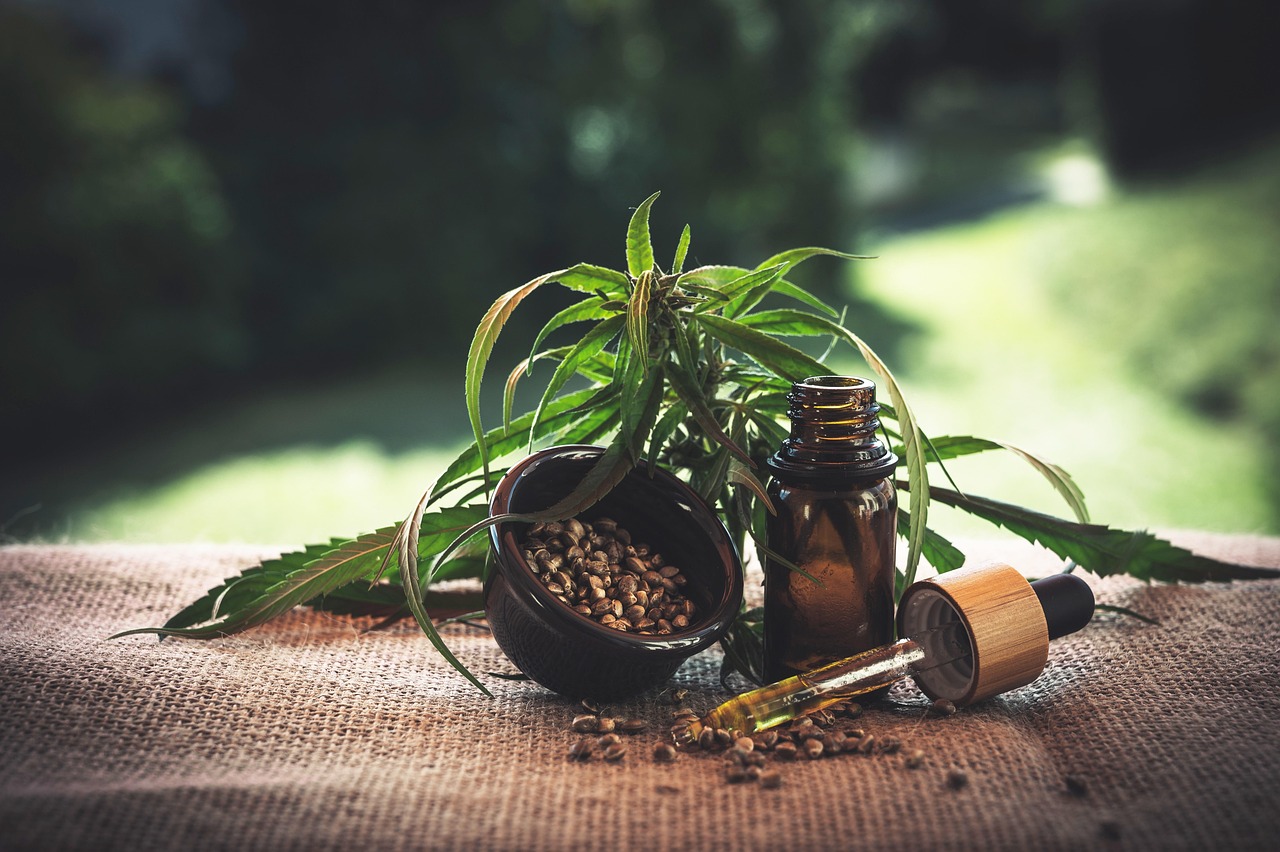
CBD oil comes in three basic types. The difference is what else is in the bottle besides CBD.
Full spectrum extract keeps the other compounds that come out of the hemp plant along with CBD. That includes minor cannabinoids, plant terpenes, and a trace amount of THC. Under the federal rules in place today, that THC has to stay at or below 0.3% delta-9 THC by dry weight.
Broad spectrum extract starts the same way, then goes through extra processing to remove THC while keeping most of the other compounds.
Isolate is CBD alone, purified to a crystalline powder and then mixed into a carrier oil.
People choose full spectrum because they want the whole-plant profile. The tradeoff is the THC. It’s a small amount, and it won’t make you feel high, but it’s real, and it has consequences for drug testing and, soon, for federal law. Both are covered below.
This short explainer from a board-certified physician walks through the three types with a diagram of the plant. It’s a good two-minute primer before you read the rest.
Why the label alone isn’t enough
CBD products are not reviewed by the FDA before they reach shelves. The agency’s own consumer update on cannabis-derived products says it has seen limited safety data, that CBD can cause liver injury, and that CBD can interact with other medications. It also notes that the only CBD product the FDA has approved is a prescription drug, not anything sold at a shop counter.
Label accuracy has been a problem for years. Johns Hopkins researchers, in a release on CBD products and urine drug tests, pointed back to an earlier JAMA study by Hopkins researcher Ryan Vandrey and University of Pennsylvania collaborators, which found that 21% of CBD and hemp products sold online contained THC that wasn’t listed on the label.
That’s why the certificate of analysis matters more than the front of the bottle. A COA is a report from an outside lab showing what’s actually in a batch. If a shop can’t show you one, keep walking.
How to read a CBD certificate of analysis in two minutes

You don’t need a chemistry degree. You need to check five things, in this order.
1. Does the batch number match? Find the lot or batch number on your bottle. Find it on the COA. If they don’t match, the report is describing a different product run, and it tells you nothing about what you’re holding.
2. Who ran the test? The lab should be named, with an address and ideally an accreditation such as ISO/IEC 17025. A COA printed on the brand’s own letterhead with no lab named is not independent.
3. How much CBD is really there? Look for total CBD in milligrams per milliliter or per gram. Multiply by the bottle size and compare to the number on the front. A small variance is normal; a big gap is a red flag.
4. How much THC? For a full spectrum product, you expect to see some delta-9 THC. Check that it’s under 0.3% today. After December 11, the number that matters becomes total THC per container, which is a much stricter test. More on that below.
5. Was it screened for contaminants? A thorough COA includes panels for heavy metals, pesticides, residual solvents, and microbes. Some brands only test potency. A potency-only report is better than nothing, but a full panel is the standard to aim for.
If you can check those five things on your phone while standing at the counter, you’re already a more careful buyer than most.
Full spectrum CBD oil in Boston: where to buy
Boston shoppers generally have four places to look: independent wellness and CBD shops, smoke and vape shops, licensed marijuana retailers, and online brands that ship to Massachusetts. Each one has a different track record on the five COA checks above.
1. deVINE Boston (South Boston)
My first stop for full spectrum CBD oil in Boston is deVINE’s shop on East Broadway. It’s a wellness and alternative-products store that has been in South Boston since 2019, and, unlike most shops that resell other brands’ oil, it makes its own tinctures and posts the lab work for them.
Why it stands out: The batch testing results are published on deVINE’s site, so you can run the five-point check before you even leave home. The house 1,000mg full spectrum tincture is labeled the way I want labels to read: 1,000mg of CBD in a 30ml dropper bottle, about 33mg per milliliter, in a fractionated coconut (MCT) oil base, in Lemon or Berry. It’s $45. For experienced users, the 5,000mg Max Strength oil comes in Mint Mojito or Orange Cream for $65.
Best for: First-time buyers who want a clearly labeled starting strength, and anyone who refuses to buy without a COA.
What to know: Both tinctures are sold to adults 21 and over, and deVINE’s own product pages flag that the trace THC in full spectrum oil can matter for drug testing. Honest disclosure like that is a good sign. The shop is at 619 E Broadway, open 10am to 10pm daily, and you can reach them at (617) 315-7636 to confirm flavors are in stock.
2. Other independent wellness shops
Boston has a scattering of independent CBD and natural wellness stores, and quality varies widely from one to the next.
Why they can be good: Owners often know their brands personally and can answer questions about sourcing.
Best for: Shoppers who like a conversation and want to compare several brands in one place.
What to know: Ask to see a COA for the exact batch on the shelf. If staff need to “look it up later,” treat that as a no.
3. Smoke and vape shops
Many smoke shops keep a shelf of CBD oils near the register.
Why they can be convenient: They’re everywhere and open late.
Best for: Picking up a brand you already know and have verified elsewhere.
What to know: Turnover on CBD can be slow in these stores, so check the manufacture or expiration date as well as the COA. Stale oil isn’t dangerous in itself, but it may not match its original test.
4. Licensed marijuana retailers
Boston’s licensed adult-use retailers sell cannabis products regulated by the Cannabis Control Commission, including some high-CBD options.
Why they can be good: Products are tested under the state’s marijuana program, and packaging rules are strict.
Best for: People who want CBD alongside THC products, or ratios that go beyond what hemp allows.
What to know: These are marijuana products, not hemp. They’re legal under state law, but they carry more THC, are for 21+ customers only, and can’t leave Massachusetts.
5. Online brands that ship to Massachusetts
Why they can be good: Wide selection and easy price comparison.
Best for: Experienced buyers who already know which brand and strength they want.
What to know: You can’t inspect the batch before it arrives, and returns on opened oil are rare. Shipping rules for hemp products may also tighten after the federal changes this winter.
Boston CBD oil sources compared
| Where | Batch COA easy to see? | Can you ask questions in person? | Typical THC level | Age limit |
|---|---|---|---|---|
| deVINE Boston | Yes, posted online | Yes | Trace (hemp) | 21+ |
| Independent wellness shops | Varies | Yes | Trace (hemp) | Varies by store |
| Smoke and vape shops | Often not | Limited | Trace (hemp) | Varies by store |
| Licensed marijuana retailers | State-tested | Yes | Higher (marijuana) | 21+ |
| Online brands | Usually on website | Email only | Trace (hemp) | Varies |
What Massachusetts allows stores to sell
Massachusetts is stricter about hemp CBD than many states, and the rules explain why you’ll see oils and creams on shelves but fewer CBD snacks.
The Massachusetts Department of Agricultural Resources lays this out in its policy statement on the sale of hemp-derived products. In short, the state does not allow hemp-derived CBD in food, does not allow CBD products that make therapeutic or medicinal claims, does not allow hemp sold as a dietary supplement, and does not allow hemp in animal feed. What it does allow are non-food CBD products, like oils and topicals, that make no health claims and aren’t marketed as supplements.
This has a practical upside for shoppers. A Massachusetts-compliant CBD oil shouldn’t promise to fix anything. If a label or a salesperson tells you a tincture will cure your anxiety or erase your back pain, that’s a sign the seller isn’t following state rules, and it’s fair to wonder what else they’re skipping.
The drug-test question nobody at the counter asks
If you’re subject to workplace testing, this section matters more than any other.
Full spectrum oil contains a little THC. Daily use lets it build up. A Harvard-affiliated team at McLean Hospital in Belmont tested this directly in an open-label trial published in JAMA Psychiatry and available through the National Library of Medicine’s PubMed Central. Participants took a full spectrum, high-CBD oil containing just 0.02% delta-9 THC, about 30mg of CBD a day, for four weeks. Of the 14 people who completed the study, 7 tested positive for the THC metabolite on a urine screen.
Half. With a product well under the legal THC limit. And none of them reported feeling high.
If you can’t risk a positive test, full spectrum is the wrong choice. Look at a broad spectrum or isolate product with a COA showing THC as “not detected,” and even then, understand that no product can guarantee a negative result.
The December 11 deadline and what it means for full spectrum oil
Congress changed the federal definition of hemp in late 2025 and then staggered the start dates. The piece that matters most for CBD oil takes effect on December 11, 2026. From that date, hemp is measured by total THC (which includes THCA, the acid form that turns into THC with heat), and any finished hemp product can contain no more than 0.4 milligrams of total THC per container.
That’s a very small number. A full spectrum oil at the legal 0.3% limit can carry far more than 0.4mg of THC across a whole bottle, so many full spectrum tinctures sold today are likely to fall outside the federal hemp definition after December 11 unless they’re reformulated.
For a Boston buyer, that means three things. First, if you rely on a specific full spectrum product, expect it to change, become harder to find, or disappear this winter. Second, read the THC line on the COA and multiply it out to the bottle; that’s the number regulators will look at. Third, if you want continuity, ask your shop now what they plan to carry after the change. A good shop will have a straight answer.
Choosing a strength: 1,000mg or 5,000mg?
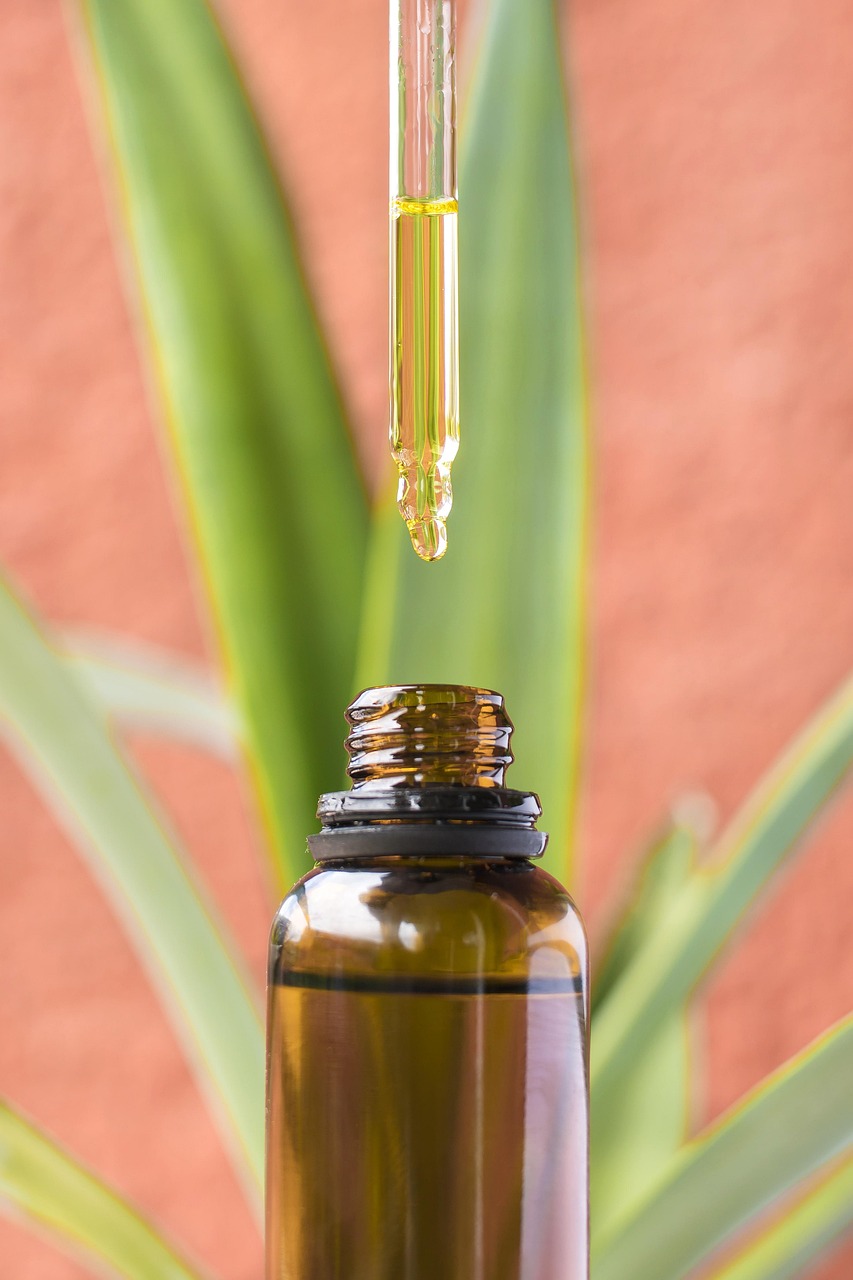
Bottle strength confuses almost everyone, because the big number on the front is the total in the bottle, not what you take at once. The useful number is milligrams per milliliter.
Take deVINE’s two tinctures as an example. The 1,000mg bottle holds 30ml, so each milliliter (roughly one full dropper) holds about 33mg. The 5,000mg Max Strength packs five times the CBD into the bottle, so a few drops deliver what a full dropper of the standard oil does.
Higher strength isn’t “better.” It’s just more concentrated. For a first bottle, the lower strength makes it easier to take a small, consistent amount and notice how you feel. There’s no established ideal dose of CBD for general wellness, and the FDA has raised questions about daily long-term use, so starting low is sensible. If you take prescription medication, particularly anything processed by the liver, talk to your doctor or pharmacist before you start.
Price per milligram: the comparison that actually works
Shelf prices make CBD oils look hard to compare, because every brand picks a different bottle size and strength. The fix is simple arithmetic: divide the price by the total milligrams of CBD to get a cost per milligram.
Using deVINE’s two tinctures as a worked example, the 1,000mg bottle at $45 works out to 4.5 cents per milligram of CBD. The 5,000mg Max Strength at $65 works out to 1.3 cents per milligram. The stronger bottle is far cheaper per milligram, but only useful if you actually take that much, and you have to measure smaller amounts carefully.
Run the same math on any bottle you’re considering, then check the COA to make sure the milligrams you’re paying for are really in there. A bargain on paper isn’t a bargain if the lab report shows 30% less CBD than the label.
What the carrier oil tells you
CBD extract is mixed into a carrier oil so it can be measured with a dropper. The two most common are fractionated coconut oil (often labeled MCT) and hemp seed oil. MCT oil is thin, nearly flavorless, and stays liquid at room temperature, which is why many brands use it. Hemp seed oil has a nuttier, grassier taste. Neither is “the active ingredient,” and hemp seed oil on its own contains essentially no CBD, so be wary of any label that lists only hemp seed oil while implying a high CBD content.
How people use CBD oil day to day
Most tinctures are taken under the tongue: a partial dropper held for about a minute, then swallowed. Some people stir it into a drink instead. Consistency of timing tends to matter more to people than the exact method, because it makes it easier to judge whether a product is doing anything for you at all. We cover the common routines in more depth in our guide to how CBD oil is commonly used, including the difference between taking it under the tongue and adding it to food or drinks.
A few small habits help any bottle last and stay consistent:
- Store it at room temperature, away from sunlight and the stove.
- Keep the dropper clean and avoid touching it to your mouth.
- Write the batch number somewhere in case you want to match it to the COA later.
- Keep it out of reach of kids and pets, just like any supplement-style bottle.
A quick buyer’s checklist for Boston shoppers
Screenshot this and bring it with you.
- Is the store selling to adults only, and did they check ID?
- Does the bottle list CBD per milliliter, not just per bottle?
- Is there a COA for this exact batch, from a named independent lab?
- Does the COA show total CBD close to the label claim?
- Is THC listed, and do you understand what it means for drug testing?
- Was the batch screened for heavy metals, pesticides, solvents, and microbes?
- Does the label avoid health and cure claims, as Massachusetts requires?
- Has the shop told you what it plans to carry after December 11?
If you get eight yeses, you’ve found a seller worth going back to.
Frequently asked questions
Is full spectrum CBD oil legal in Massachusetts?
Yes, for now. Hemp-derived CBD oils that don’t make health claims and aren’t marketed as food or dietary supplements can be sold in Massachusetts under MDAR’s policy. The federal hemp definition changes on December 11, 2026, and many full spectrum products may not meet the new 0.4mg total THC per container limit after that date.
Will full spectrum CBD oil make me fail a drug test?
It can. In a study at McLean Hospital, half of the participants who completed four weeks of daily use of a low-THC full spectrum oil tested positive for a THC metabolite. If you’re tested at work, choose an isolate or broad spectrum product with a COA showing no detectable THC, and know that even then nothing is guaranteed.
What’s the difference between full spectrum and broad spectrum CBD?
Full spectrum keeps everything the hemp plant contributes, including trace THC. Broad spectrum removes the THC but keeps most other cannabinoids and terpenes. Isolate is CBD alone.
Where can I buy full spectrum CBD oil in South Boston?
deVINE Boston at 619 E Broadway sells its own 1,000mg and 5,000mg full spectrum tinctures and posts batch lab reports online. The store is open 10am to 10pm every day.
How do I know if a CBD oil is good quality?
Ask for a certificate of analysis that matches the batch number on your bottle, comes from a named independent lab, confirms the CBD content on the label, lists THC, and includes contaminant screening. A shop that can show you all of that quickly is usually a shop that takes quality seriously.
Legal and health disclaimer
Nothing in this article is medical advice. CBD products are not approved by the FDA to diagnose, treat, cure, or prevent any disease, and no product named here is offered for those purposes. Talk with a doctor or pharmacist before using CBD, especially if you are pregnant, nursing, or take prescription medication. Full spectrum products contain trace THC and may cause a positive drug test. Products discussed are intended for adults 21 and older. Hemp laws are changing at the federal level on November 12 and December 11, 2026, and state rules may differ; confirm current law before you buy, travel with, or ship any hemp product. Prices and availability were checked in late October 2026 and may change.

Cindy Fowler
More articles by this author